
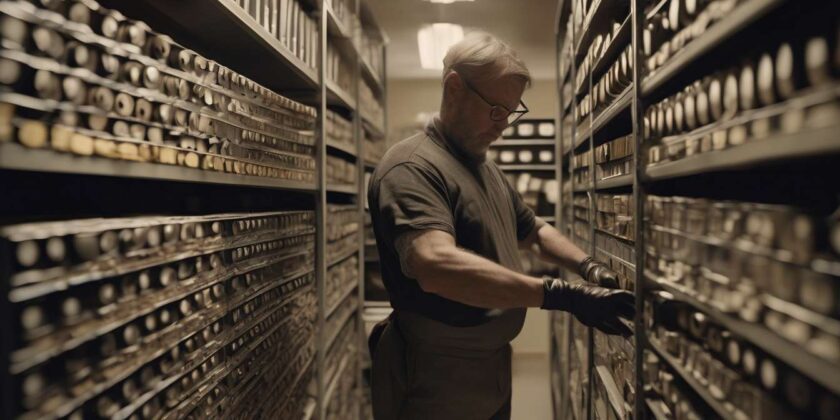
Some people assume that mature content libraries are disposable relics, useful only until trendy originals replace them. We disagree.
As custodians of cultural output and revenue streams, these collections carry historical context, audience loyalty, and long-tail earnings. Mislabeling them as expendable leads to neglect: fragmented assets, lost metadata, degraded formats, and legal headaches.
By confronting that misconception, disciplined archive management transforms perceived clutter into strategic capital. We steward not just files but rights histories, version control, and discoverability frameworks that keep mature works accessible and compliant.
Our role is to apply preservation best practices so content remains usable for licensing, remastering, and research.
- Standardized metadata
- Format migration
- Secure storage
- Rights reconciliation
Repositioning these libraries from forgotten backrooms to actively managed repositories lets us honor creative legacies while unlocking sustained commercial and cultural value.
Value of Mature Libraries
We value mature content libraries because they capture historical context, audience preferences, and revenue streams that keep products discoverable and monetizable over time.
We recognize that content preservation isn’t just technical — it’s a commitment to community, shared memory, and continued access.
We prioritize rights management so creators and stakeholders stay respected and compensated as works move through new channels.
We plan for format migration proactively, so beloved titles remain playable and relevant without losing integrity.
We collaborate across teams, sharing responsibility for cataloging, secure storage, and legal clarity, because belonging grows when everyone feels their work is honored.
We invest in scalable systems that balance preservation with practical monetization, and we measure success by both cultural impact and sustainable income.
We choose transparent policies that welcome partners and audiences alike, fostering trust.
We don’t hoard assets; we steward them, ensuring mature libraries serve present communities and future generations while maintaining clear rights, usable formats, and resilient preservation strategies.
Metadata Standardization
We standardize metadata so every item is discoverable, interoperable, and usable across platforms and future formats.
We create consistent fields for titles, creators, dates, technical specs, and contextual notes so team members and collaborators feel included and confident locating material.
Clear metadata underpins content preservation by ensuring assets aren’t orphaned when staff change or systems evolve.
We include provenance and rights management details in every record so licensing, clearance windows, and usage restrictions travel with the asset and reduce disputes.
We adopt community vocabularies and controlled lists so contributors recognize familiar terms and can join stewardship efforts without friction.
We validate entries, run audits, and provide simple guidelines and training so everyone can contribute accurate metadata.
We map our schema to common standards to enable sharing with partners, distributors, and institutional repositories.
By treating metadata as shared infrastructure, we build a welcoming, reliable archive that supports long-term access, compliance, and responsible reuse.
Format Migration Strategies
We prioritize regular, planned migrations to contemporary formats so our mature library remains accessible, reliable, and efficient to serve.
We assess file types, codecs, and container formats against longevity, interoperability, and community standards.
Our format migration schedule balances risk and resources.
-
- High-use or at-risk items are migrated first.
-
- Stable masters are monitored and migrated later as justified by risk assessment.
We document each migration step, checksum, and transformation profile to support content preservation and future auditing.
We involve stakeholders to keep rights management clear during transitions.
-
- Licenses, embargoes, and consent metadata are carried with files.
-
- Stakeholder input informs migration decisions that affect access or restrictions.
We test conversions on representative samples to validate fidelity and automate repeatable workflows where possible, while keeping humans in the loop for quality checks.
We maintain a rollback plan and retain source originals when policy allows, recognizing that migrations can introduce unintended change.
We share procedures and tool choices to build collective trust and capacity, stewarding a shared cultural resource through intentional, transparent format migration.
Secure Storage Practices
We prioritize layered, encrypted, and geographically dispersed storage to keep our mature library secure, durable, and recoverable.
Key technical safeguards:
- We implement strong encryption at rest and in transit.
- We segregate access by role and enforce access controls and audit trails.
- We replicate critical assets across multiple regions so our team always has a reliable copy.
Integrity and credential practices:
- We monitor integrity with checksums and automated alerts.
- We rotate keys and credentials on a schedule everyone understands.
We design storage policies that support content preservation goals and align with rights management requirements without conflating them.
Policy separation and documentation:
- Storage enforces access controls and audit trails while leaving rights reconciliation to its own workflow.
- We document retention schedules, media refresh cycles, and procedures for format migration so contributors feel confident their work remains accessible and authentic.
Operational readiness and transparency:
- We run regular disaster-recovery drills, validate backups, and share clear runbooks so all members know how to act.
- By combining technical safeguards with transparent practices, we create a secure environment where our community’s mature content is protected and sustainably preserved.
Rights Reconciliation Workflow
We’ll reconcile rights by tracking provenance, permissions, and expiration metadata in a centralized workflow that ties legal status to access and distribution controls.
We build a collaborative rights management pipeline so every team member feels included and accountable:
- Legal
- Archiving
- Curators
- IT
We tag assets with provenance and contractual terms, link those tags to access rules, and log decisions so the group can review and adapt.
We integrate content preservation goals with rights data to ensure format migration doesn’t invalidate permissions or create orphaned copies.
We run periodic audits, flag expiring licenses, and negotiate renewals before access is affected.
We keep a clear chain of custody and share dashboards that show who approved what, when, and why, fostering trust and shared responsibility.
By standardizing records, automating routine checks, and preserving contextual metadata, we safeguard both the archive and the relationships that sustain it, so everyone in our community knows their role in responsible stewardship.
Version Control Systems
We use version control systems to track changes, preserve histories, and coordinate safe collaboration across our archive’s files and metadata.
We commit deliberate, auditable records so every team member feels included in stewardship of our mature content production libraries.
By branching and tagging, we separate workflows for content preservation tasks, rights management updates, and format migration experiments without disrupting the canonical archive.
We keep clear commit messages that explain why changes were made, linking them to policy decisions and legal approvals so everyone understands provenance.
Access controls and signed commits help enforce rights management while maintaining transparent trails for audits.
When we test format migration, we version intermediate files and migration scripts, enabling rollbacks and comparison to originals.
Automated hooks run validation and checksum checks on push, ensuring integrity across contributors.
Overall, our version control practice becomes a shared toolset that strengthens trust, preserves context, and ensures collaborative responsibility for long‑term access and stewardship.
Discoverability and Indexing
We organize, index, and expose accurate metadata so researchers and stakeholders can find items quickly and trust their provenance.
We build discoverability around shared vocabularies and controlled terms to ensure everyone — creators, archivists, and community partners — feels included and confident searching our collections.
We link metadata to preservation actions, documenting when format migration occurred and why, so users understand an asset’s technical history.
We tag rights management status clearly so collaborators know reuse constraints without gatekeeping access to discovery.
We implement robust indexing strategies, including:
- Full-text indexing
- Semantic indexing
- Facet-based filtersThese strategies reflect both lived language and professional terminology.
We maintain crosswalks between schemas to keep records interoperable and reduce friction when integrating external resources.
We monitor search analytics and community feedback, iterating descriptors and navigation to match how our audience seeks material.
By centering transparency and shared stewardship, we make mature libraries findable, trustworthy, and welcoming while protecting their legal and technical integrity.
Monetization and Licensing
We will balance sustainable revenue models with clear, fair licensing so creators, users, and institutions can access mature collections without compromising ethics or preservation goals.
We set pricing and access tiers that respect creators’ rights while funding long‑term preservation.
We build community‑informed policies so everyone feels included.
We create transparent rights‑management workflows that let contributors control distribution, track usage, and consent to specific licensing terms.
We’ll support flexible licenses — time‑limited, institution‑only, educational — to meet needs without locking material away.
We prioritize revenue streams that align with preservation:
- Subscription models
- Licensed institutional access
- Pay‑per‑view
- Curated partnerships with responsible platforms
We make format migration part of budgeting, ensuring funds cover converting legacy files to stable formats and testing new codecs as technology evolves.
We’ll document licensing histories and technical provenance so future stewards can honor original agreements and continue lawful access.
By combining pragmatic monetization with robust rights management and planned format migration, we sustain the archive and nurture a welcoming community that values ethical stewardship.
How do you handle privacy and consent for performers whose work predates modern consent standards?
We recognize the question of handling privacy and consent for performers whose work predates modern standards.
We prioritize respect and safety.
- We seek to contact performers or their estates.
- We honor requests to remove or restrict materials.
- We apply strict access controls when consent is unclear.
We anonymize or redact identifying details where feasible.
We document our decisions transparently.
We adopt ethical review processes so communities and creators feel heard, valued, and protected.
What steps are taken to detect and remove illegal or non-consensual content from legacy collections?
We prioritize identifying and removing illegal or non-consensual legacy content by combining thorough review, community reporting, and expert consultation.
Key review and detection methods:
- We run metadata audits.
- We perform image and audio forensics.
- We cross-check performer databases.
Action on verified issues:
- We act on verified claims swiftly.
- We quarantine suspect items.
- We coordinate with legal authorities when required.
Support and prevention:
- We communicate transparently with affected performers and staff.
- We support remediation.
- We update policies to prevent recurrence so everyone feels respected and safe.
How do you address ethical concerns from talent and advocacy groups when re-monetizing archival material?
We acknowledge concerns from talent and advocacy groups and commit to transparent, respectful processes.
We consult stakeholders, secure clear consent or documented rights, and offer revenue sharing or compensation where appropriate.
Key steps we follow:
-
Stakeholder consultation.
- Engage talent, representatives, and advocacy groups early.
- Solicit feedback and incorporate concerns into plans.
-
Consent and rights verification.
- Obtain clear, documented consent or legal rights before re-monetization.
- Verify contracts and licenses to ensure permissions cover the intended use.
-
Compensation and revenue sharing.
- Offer revenue sharing, payments, or other compensation where appropriate.
- Provide transparent terms so contributors understand how proceeds are distributed.
We implement robust review, age and consent verification, and opt-out mechanisms.
Safety and compliance measures:
- Perform content reviews and quality checks prior to monetization.
- Verify age and consent with reliable documentation and processes.
- Provide clear opt-out or removal pathways for individuals who withdraw consent.
We’ll engage independent advocacy partners for audits, communicate decisions openly, and adjust policies in response to feedback so everyone feels heard, safe, and fairly treated during re-monetization.
Governance and accountability:
- Retain independent advocates or auditors to review practices and outcomes.
- Publicly communicate decisions, rationale, and any changes to affected parties.
- Iterate policies based on feedback to improve fairness, safety, and transparency.
Conclusion
You’ve built a mature content library, and its value depends on how well you manage it.
Standardize metadata.
- Use consistent field names and controlled vocabularies.
- Apply batch and automated tagging where possible to scale discoverability.
Migrate formats and secure storage.
- Convert obsolete or fragile formats to current, supported ones.
- Implement durable, redundant storage with regular integrity checks and backups.
Reconcile rights and enforce strict version control.
- Track licenses, expirations, and usage restrictions for each asset.
- Use versioning workflows to prevent accidental overwrites and to record provenance.
Prioritize indexes and clear workflows to maximize monetization.
- Maintain searchable indexes and APIs so assets are easy to find and license.
- Define step-by-step workflows for ingestion, review, licensing, and distribution.
Maintain these practices consistently.
- Regular audits and automated monitoring reduce legal and technical risk.
- Consistency preserves long-term value and turns archival work into a reliable revenue and compliance engine.